

Emotional Regulation and Language Development in Children: Why It Matters for Social and Academic Success
By Rebeca Schvartzman, SLP, reg. CASLPO – Talk & Bloom®
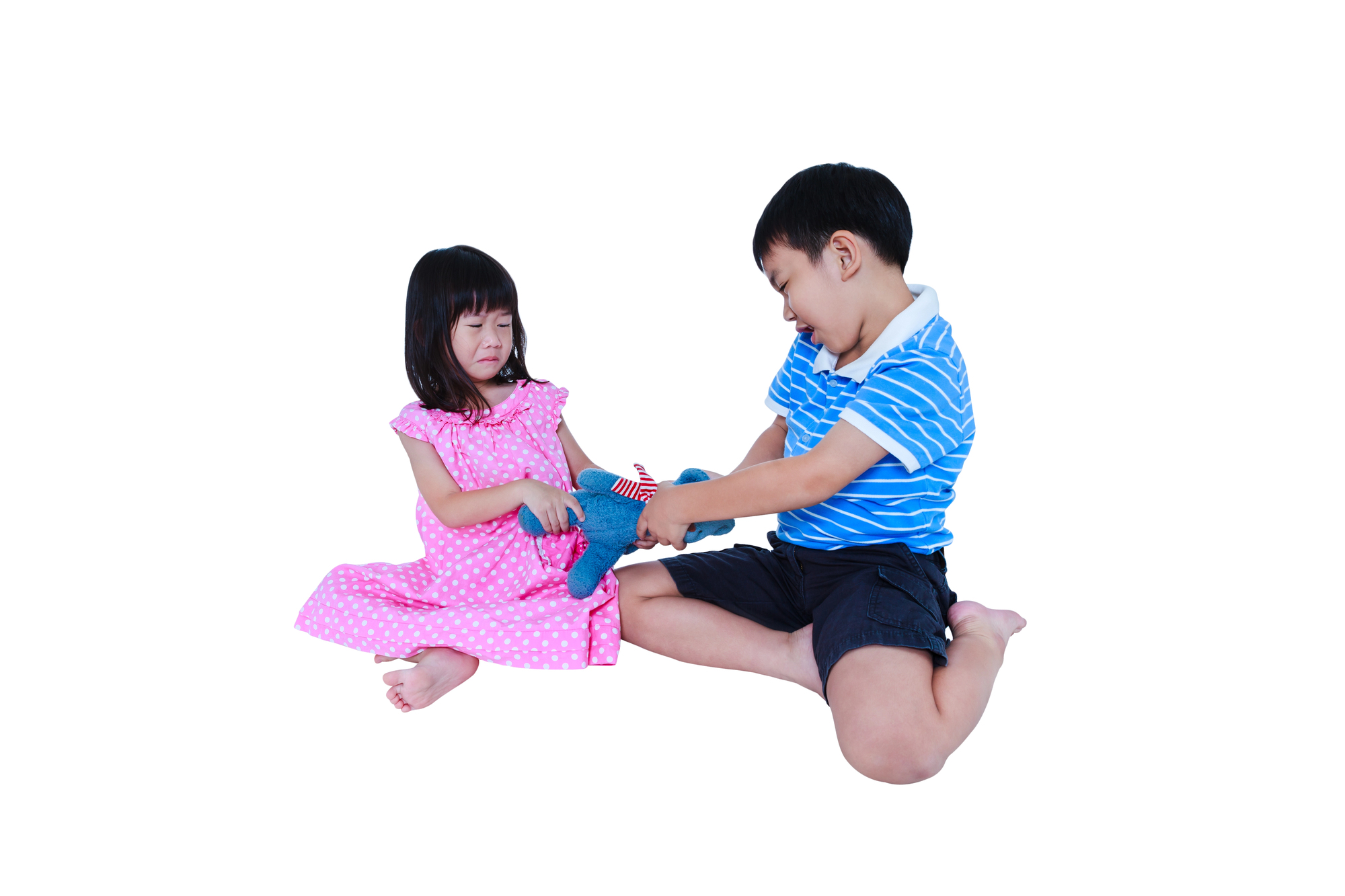
Your child wanted the toy.
They couldn’t find the words to ask for it.
Within seconds, there was a push, a cry, or a tantrum.
Does this sound familiar?
What we often interpret as “misbehavior” may be a difficulty with emotional regulation. And language plays a fundamental role in this process.
Self-regulation isn’t just about “behaving well.” It’s a developmental skill that grows gradually and is closely linked to language development.
It allows children to learn, communicate, play, and work successfully in groups. It involves understanding feelings, managing strong emotions, and navigating challenges without losing control.
We often expect children to tolerate frustration, adapt to change, and bounce back quickly from difficult moments. However, these skills aren’t innate—they need to be taught and practiced.
For some children, this process takes more time and support. The good news is that self-regulation can be strengthened—just like any other developmental skill.
What is Self-Regulation?
Self-regulation is a child’s ability to understand and manage emotions, control impulses, and adjust behavior to fit the situation.
It involves stopping, thinking, and acting appropriately based on what’s happening and what’s expected.
Key skills include:
• Identifying what they feel
• Waiting their turn
• Following rules
• Pausing before acting
• Resolving conflicts with words
It doesn’t mean a child won’t feel intense emotions. It means they can manage those emotions in a way that’s appropriate for their age and context.
How Does Self-Regulation Develop?
Self-regulation is a cognitive skill that strengthens gradually with practice. It develops unevenly because different brain systems mature at different rates.
Several factors influence this process:
• Brain maturation
• Language development
• Adult modeling and support
• Repeated practice in daily situations
Stages of Self-Regulation Development
1. Co-regulation (Ages 1–3 years)
In the earliest years, children rely completely on adults to:
• Calm down and be comforted
• Transition between activities
• Label emotions
• Provide structure
2. Supported Regulation (Preschool / Ages 3–5 years)
With time, language development, repeated practice, and adult modeling, children begin to:
• Identify emotions
• Follow simple rules
• Wait a little longer
• Use basic strategies to regulate themselves (e.g., deep breathing, asking for help)
They still need adult guidance and support.
3. Independent Self-Regulation (Ages 6–7 years and up)
Gradually, children learn to self-regulate on their own:
• Delay gratification
• Think about consequences
• Plan ahead
• Manage emotions internally
Self-regulation continues to develop into the mid-20s with ongoing practice and brain maturation.
Why Language and Self-Regulation Are Connected
Language and emotional regulation are closely linked. Children use language to:
• Guide behavior (e.g., “First I clean up, then I watch TV”)
• Identify and express emotions (e.g., “I’m angry”)
• Understand rules and expectations
• Solve problems and use strategies to manage reactions
Stronger language skills support faster self-regulation development. At the same time, when children are regulated, they are more available to learn and engage in conversation, which further strengthens language. The two systems support each other.
Self-Regulation in Children with Developmental Language Disorder (DLD)
Developmental Language Disorder (DLD) refers to persistent difficulties understanding and using language that affect a child’s daily functioning.
It is not a simple delay, nor is it caused by another condition such as hearing loss or autism.
Research shows that children with DLD are at higher risk of emotional regulation difficulties.
You may notice behaviors such as:
• Acting impulsively
• Getting frustrated easily
• Difficulty expressing emotions in the moment
• Reacting physically when overwhelmed
• Anxiety
• Challenges interacting with peers
Why Regulation May Look Different in Children with DLD
• Development may be slower
• Regulation requires more effort
• Greater reliance on external support
• Language skills may be limited
• A gap may exist between environmental demands and language ability
When language demands are high, emotional dysregulation can occur. Fatigue, stress, sensory overload, and social demands also affect self-regulation. It’s common for a child to manage emotions well in calm settings but struggle when overstimulated.
The Good News
Self-regulation is a developmental skill that can be taught, supported, and strengthened. Early teaching helps children build self-confidence and learn effective strategies for managing emotions and reducing the risk of future behavioral difficulties.
Practical Strategies to Support Emotional Regulation
Helping children self-regulate is a gradual process that requires patience and practice. Here are some effective strategies you can implement at home:
1. Talk about emotions
Help your child connect physical feelings to words:
• “I see that you’re sad.”
• “That made you really excited!”
2. Model self-regulation
Children learn by observing. Show how you manage your own emotions:
• “I’m upset. I’m going to take a break.”
• “I need to breathe.”
3. Stay calm and validate feelings
When your child is overwhelmed, acknowledge their emotions and guide behavior:
• “It looks like you’re angry.”
• “It’s okay to feel angry.”
• “It’s not okay to hit.”
• “I understand you’re upset.”
4. Reflect once calm
Talk about what happened and explore better options:
• Suggest what to do or say: “Instead of pushing, you can say, ‘It’s my turn,’ and point to yourself.”
• Offer two appropriate choices for the child to select from
5. Recognize efforts
Praise every attempt at self-regulation:
• “You waited so patiently!”
• “I saw you count from 1 to 5—great job!”
6. Practice during calm moments
Use everyday activities to exercise regulation:
• Read books about managing emotions (e.g., Hands Are Not for Hitting by Martine Agassi)
• Play with figurines and act out challenging situations to explore solutions
• Watch a show and discuss how characters feel, why, and how they should respond
• Role-play real-life scenarios and problem-solving, interpret different characters
For example, while watching Paw Patrol:
• “Oh! Did you see that they took an extra turn?”
• “What could we say?”
• Model the response if needed: “We need to follow the rules. Give the piece back.”
7. Create a calm space
Set up a “quiet corner” with items to help relax:
• Pillows, blankets, books, sensory toys
• A tent or special chair in a comfortable spot in their room
Remember:
If your child frequently struggles with managing strong emotions, early support makes a difference. Teaching coping strategies reduces the risk of future behavioral challenges and strengthens the child’s confidence.
If you’d like support to help your child develop self-regulation skills, contact us today for a free consultation.

Leave a Reply